Sustainable Solutions: How E-Waste Recycling Services Are Saving Our Planet
E-waste represents a considerable hazard to the environment, as disposed electronics frequently harbor hazardous substances. Such dangerous compounds can pollute soil and water supplies, resulting in widespread environmental harm. E-waste recycling initiatives provide a practical answer. They successfully retrieve useful resources while simultaneously minimizing environmental pollution. Comprehending the operation of these services and their influence on communities is of great importance. The journey towards effective e-waste management raises critical questions about individual responsibility and collective action. What steps can be taken next?
How E-Waste Is Hurting the Planet
Even though technology enhances modern life, e-waste creates serious threats to the environment. Disposed electronic equipment, commonly laden with hazardous materials such as mercury, lead, and cadmium, may release harmful substances into soil and groundwater, posing risks to ecosystems and human health. The accelerating rate of technological innovation leads to higher rates of electronics disposal among consumers, intensifying the growing problem of electronic waste.
Landfills, already strained by waste, are unable to keep up with the rising quantities of abandoned electronics. Burning, an alternative disposal approach, discharges toxic contaminants into the air, worsening overall air quality. Furthermore, inadequate recycling methods can result in the shipment of electronic waste to underdeveloped nations, where workers may break down equipment without proper protective measures, putting themselves at risk of exposure to hazardous materials. This pattern of negligence and mismanagement highlights the critical demand for eco-friendly recycling alternatives that can reduce the damaging impact of electronic waste on the environment.
What Is E-Waste and Why Does It Matter?
Electronic waste, commonly known as e-waste, encompasses obsolete electronic products like smartphones, computers, and televisions that have reached the end of their useful life. This growing category of waste is significant due to its rapid accumulation, propelled by advances in technology and evolving consumer behaviors. As growing numbers of electronics become outdated, the ecological consequences become more pronounced, with dangerous elements including lead, mercury, and cadmium threatening both ecosystems and public health.
Addressing e-waste is crucial not only for reducing these dangers but also for acknowledging the precious materials found within it. Precious metals and rare earth elements can be recovered and reused, reducing the need for mining and conserving natural resources. Through a deeper awareness of e-waste and its consequences, both individuals and organizations can make well-informed choices regarding disposal and recycling, thereby supporting a more sustainable future. Effective handling of e-waste is vital for encouraging a circular economy and advancing environmental responsibility.
How E-Waste Recycling Works
The recycling of e-waste encompasses a structured approach aimed at reclaiming useful resources while minimizing environmental impact. At the outset, electronic waste is gathered and delivered to dedicated processing Go here centers. After reaching the facility, the devices undergo thorough sorting to isolate dangerous parts from recoverable materials.
Subsequently, workers deconstruct the items, removing metals, plastics, and glass. This process is vital, as it enables the reclamation of rare metals like gold, silver, and copper, which can be recycled in new electronic devices.
Subsequently, the sorted materials are refined via advanced techniques, such as shredding and chemical treatments, to refine them for recycling.
Finally, the leftover hazardous materials are disposed of responsibly, complying with eco-friendly standards. This multi-step approach not only conserves resources but also mitigates the risks associated with unsafe e-waste handling, guaranteeing a greener future for the consumption of electronics.
The Benefits of E-Waste Recycling for You and Your Community
Although it often goes unnoticed, the advantages of e-waste recycling extend beyond personal convenience to positively impact entire communities. By responsibly disposing of electronic waste, individuals play a role in creating a healthier environment, reducing harmful substances that can seep into soil and water. This proactive approach works to protect local ecosystems and advances public health.
Additionally, the recycling of e-waste encourages the creation of jobs in communities. Community recycling operations commonly require workers for diverse activities, including collection and processing, thus generating valuable job opportunities for community members. This not only stimulates the local economy but also promotes community participation in sustainable initiatives.
In addition, knowledge about e-waste recycling has the potential to generate learning opportunities, empowering residents to pursue greener alternatives. By taking part in e-waste recycling programs, individuals promote a culture of sustainability, encouraging others to follow suit. All things considered, the combined impact of these actions can result in a more robust and eco-friendly community.
How to Choose an E-Waste Recycling Service
Choosing the right e-waste disposal service is vital for ensuring that e-waste is processed in a responsible and sustainable manner. Initially, individuals should check the service's credentials, such as e-Stewards or R2, which signify compliance with industry standards for responsible recycling methods. It is equally important to evaluate the provider's credibility by reviewing feedback and seeking recommendations from trusted sources.
Next, openness in the recycling process is crucial. A dependable company should supply straightforward details about the manner in which e-waste is managed and how the materials are utilized. Additionally, assessing the variety of services available can be advantageous; some companies may provide pickup services or offer incentives for recycling.
Finally, understanding local regulations regarding e-waste disposal can help inform the decision-making process. When these considerations are given priority, people are able to support responsible e-waste disposal while supporting environmentally responsible practices.
Ways You Can Participate in E-Waste Recycling?
Getting involved with e-waste recycling can start at the local level, where local recycling facilities frequently offer essential services for safe disposal. Additionally, taking part in community awareness campaigns can strengthen efforts to inform others regarding the importance of responsible e-waste management. These initiatives not only advance environmental sustainability but also foster a collective sense of stewardship of the environment.
Nearby Recycling Facilities
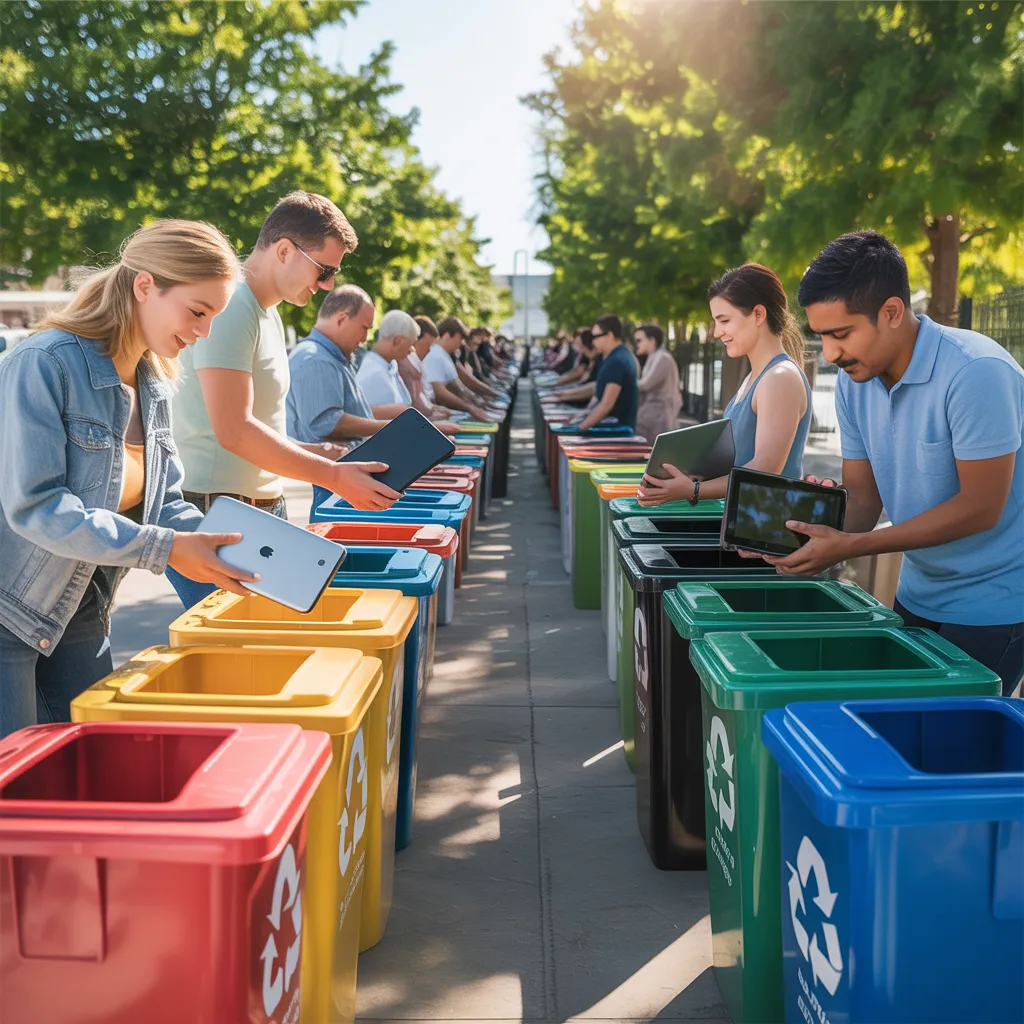
Many community recycling facilities play an essential role in e-waste recycling, giving communities practical solutions to discard electronic waste in an eco-friendly way. These hubs welcome a variety of electronic devices, including used computers, handheld devices, and televisions, verifying that toxic materials are disposed of safely. Many hubs feature trained staff who are able to assist individuals with correct disposal techniques, stressing the significance of recycling instead of landfilling. Additionally, several stations organize scheduled drop-off occasions or specific collection dates, allowing residents to take part with ease. Through the use of these community services, residents support a circular economy, reducing environmental impact and promoting sustainable practices. Partnering with these facilities enables communities to combat e-waste pollution successfully.
Community Education Campaigns
Community groups, educational institutions, and companies can partner to arrange initiatives that encourage e-waste collection drives. Volunteers can play a pivotal role in spreading awareness, distributing educational materials, and engaging with the community. By means of these joint initiatives, community members grow more knowledgeable and inspired to dispose of their electronics responsibly, thus playing a meaningful role in creating a more environmentally responsible future.
Common Questions and Answers
What Electronic Devices Are Eligible for Recycling?
A wide range of electronics are able to be recycled, including computers, smartphones, televisions, laptops, gaming consoles, and printers. In addition, peripherals such as batteries, keyboards, and mice are well-suited for recycling, contributing to sustainable environmental practices.
Are There Any Costs Associated With E-Waste Recycling?
That's correct, e-waste recycling may involve charges, subject to the facility. Some service centers impose charges for collection or processing, while others offer free services, frequently supported by the proceeds from salvaged materials.
How Do Businesses Gain From E-Waste Recycling?
Businesses can benefit from e-waste recycling by reducing disposal costs, strengthening their ecological standing, complying with regulations, extracting valuable resources, and possibly earning income through resale, thereby fostering a more environmentally responsible business approach.
What Occurs with Data on Recycled Devices?
Details on repurposed electronics is commonly completely removed or obliterated during processing. This guarantees sensitive information remains secure, stopping improper access while allowing components to be recycled carefully and ethically in new products.
Are Broken Electronics Eligible for Recycling?
Indeed, non-functioning electronics can be recycled. A wide range of recycling centers receive broken devices, providing proper disposal and recovery of precious materials. It helps minimize the environmental footprint while promoting eco-friendly recycling methods to manage electronic waste responsibly.